

The Pattern No One Is Naming
A CHECKLIST FOR PARENTS: EBOOK ANNOUNCEMENT

I was left there, loving a ghost. Grieving someone who was still alive. Blamed by society. Isolated from support. Living in a special kind of hell that no one acknowledged.
And the world expected me to just “respect their journey.”
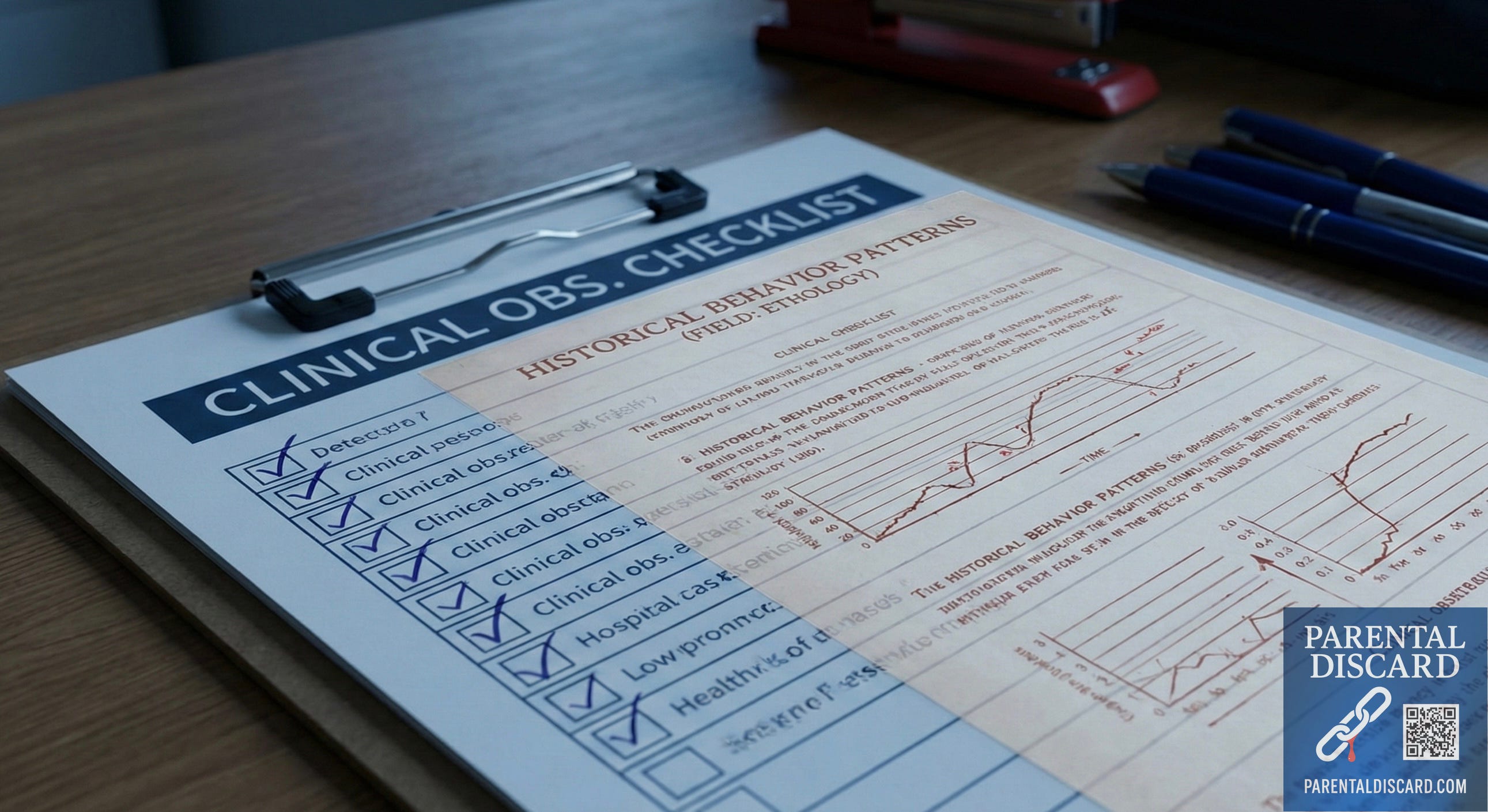
DO YOU RECOGNIZE THIS?
□ Your child lies about things you witnessed with your own eyes
□ They’ve rewritten your family history to make you the villain
□ They blame you for problems they created
□ There are not any real conversations anymore—everything feels like a minefield
□ They have surrounded themselves with people who support their choices, not question them
□ You have been replaced by “friends” or a partner who tells them what they want to hear
□ You walked on eggshells for fear of being cut off completely
□ You feel crushing guilt and constantly search for what you did wrong
□ Other parents’ normal complaints make you want to scream, or sink
□ You have withdrawn from social events because you cannot explain your situation
□ You are grieving someone who is still alive
□ People tell you to “give them space” or “respect their boundaries” when you are dying inside
□ Your health, marriage, career, and other relationships have all suffered
□ You experience grief that feels different—heavier—than other types of loss
□ You feel blamed by society because of your child’s choices or lies
□ No one understands what you’re going through
□ You’re isolated, ashamed, and exhausted from years of this
If you checked multiple boxes, you’re not alone. This is real. This is documented. And it’s not your fault.
THE REVEAL
You just checked off behaviors that might describe parts of your experience.
Many parents who have been discarded recognize some of these patterns.
Maybe most of them. Maybe all of them.
Now here’s the part that’s going to make your blood run cold:
This checklist does not come from estrangement research.
The lying. How they tell others you were abusive when you weren’t. How they blame you for everything. How they weaponize your grandchildren. The isolation. The replacement network. The eggshells. The years of despair. The special grief.
Every single behavior on that list has already been identified, cataloged, and explained—just not in the way anyone expected.
For years, I’ve been connecting dots no one else was looking for. And what I found changes everything.
This wasn’t random. This wasn’t your fault. And this wasn’t estrangement—even though that is the word everyone keeps using.
The ebook will name the architects who engineered this. It will trace when and how it started. It will expose the formula they use. It will finally make sense—🔗
And it will show you—with documentation you can verify yourself—that what might have happened to your family was deliberate.
Preorders coming soon.
If you’re not checking Parental Discard daily, you’ll miss it.
And you can’t afford to miss this.
A Parents Story:
They Are Gone
My child is physically alive, but the person I knew does not exist anymore. Seeing other parents with normal relationships reminded me of how life could have been—and that reminder hurt.
I’m grieving someone who is still breathing. This is called “ambiguous loss,” and it’s one of the most painful forms of grief, because there’s no closure.
Years of Despair
Family members lived through years of uncertainty, despair, hopelessness and powerlessness—and that was BEFORE anything final happened. Most parents live in this hell for years. Every day wondering what if today is the day I lose them.
The Person I Raised Doesn’t Exist Anymore
What happened hijacked their brain. They lied to my face about things I witnessed. They rewrote our history. They blamed me for problems they created. This affects how they connect and handle emotions.
The child I knew—the one before this started—was gone. I was dealing with a stranger who looked like them but acted completely different.
I Am Blamed for Everything
Many parents felt blamed and misunderstood. Society looked at me and asked “What did you do wrong? How did you fail them?” Affected families showed massive negative effects on their personal lives, family relationships, and social connections. I searched my memory constantly. What did I miss? What should I have done differently? The guilt was crushing.
I Am Isolated and Ashamed
Parents experienced stigma which damaged their social life and relationships. I couldn’t talk to other parents anymore. When they complained about normal parent problems, I wanted to scream. When they bragged about their kids’ accomplishments, I felt the hole in my chest.
Affected families pulled away from others, facing shame, embarrassment, fear of being judged, and isolation. I withdrew from everyone. I didn’t go to family gatherings. I didn’t answer when people asked “How’s your son?” I was living in isolation because no one understood.
They Surrounded Themselves with People Who Enabled It
My child found a whole network of people who supported the behavior. Friends who participated. Partners who didn’t challenge them. Online communities that told them their behavior was fine. The beliefs that family members had about what was happening influenced the outcome—but I wasn’t even IN their family anymore. I’d been replaced by people who wouldn’t threaten their worldview.
I Walked on Eggshells
If I said anything that challenged their choices—anything at all—they cut me off. They raged. So I learned to stay quiet. I enabled because the alternative was losing them completely. Families tried to manage the unpredictability, exhausted by trying to find stable ground. Every conversation was a minefield.
This Grief Is Different—and Worse
Parents identified this as “special grief”—distinct from other types of grief. Parents who lost a child encountered massive stigma, and they experienced “disenfranchised grief” a kind of grief that cannot be openly acknowledged, which meant they got no social support.
Even parents whose children are STILL ALIVE experience this special grief. We’re mourning while everyone tells us to “give them space” or “let them figure it out.”
The Statistics Are Devastating
Studies show that 34.2% of people affected by a family member meet criteria for complicated grief—compared to only 5% in the general population. We’re experiencing grief at nearly SEVEN TIMES the normal rate.
Studies show that stigma combined with the heavy family burden can lead to mental illness.
The Domino Effect
The “domino-like effect” on parents’ lives—expectations were destroyed, which greatly affected feelings and actions, and consequently several aspects of parents’ social lives.
My entire life was consumed. My marriage was strained. My other relationships suffered. My career took hits from the stress. My health deteriorated. I couldn’t sleep. I couldn’t focus. Every part of my life was infected by this.
I Do Not Know How To Fix This
The hardest truth: Experts emphasized that the responsibility is that of the individual, family members cannot force it. I did not cause it. I cannot control it. I do not know how to fix it.
—AN ANONYMOUS PARENT
For more resources and support for families of Parental Discard
© 2025 M.F. Shaw, M.S.Psy | Parental Discard Movement